

How Seasonal Allergies Trigger Dry Eye Symptoms - and How You Can Treat Them Spring and fall bring blooming flowers,
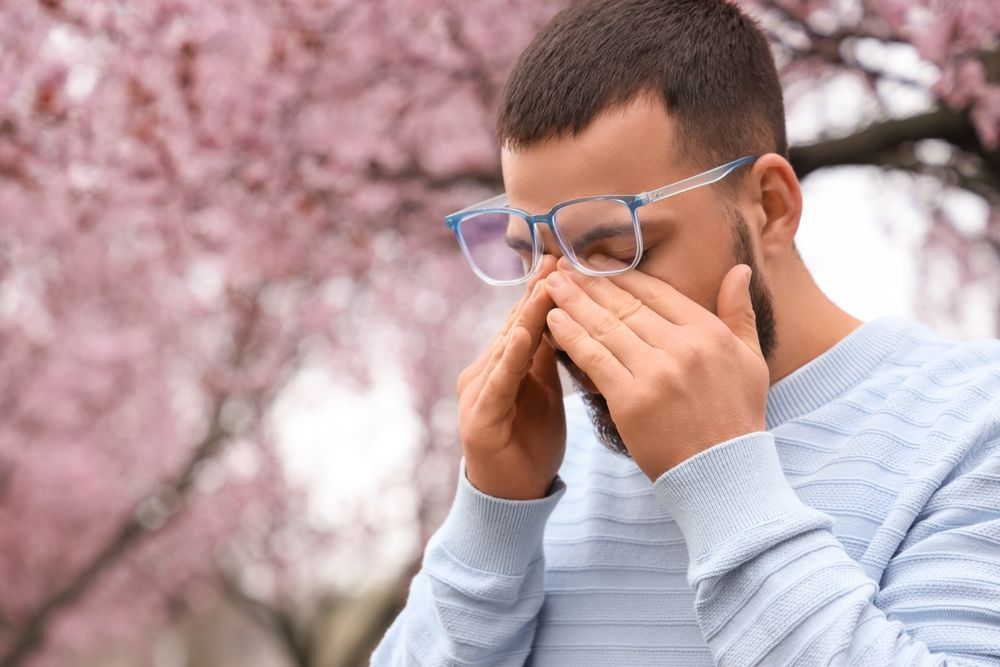
Spring and fall bring blooming flowers, changing leaves, and unfortunately for many people, seasonal allergies. While sneezing and itchy noses are well-known allergy symptoms, many patients are surprised to learn that allergies can also significantly worsen dry eye symptoms. Understanding the connection between seasonal allergies and dry eye can help you find relief and protect your long-term eye health.
The Link Between Seasonal Allergies and Dry Eye
Seasonal allergies occur when your immune system overreacts to allergens like pollen, mold, or grass. When these allergens come into contact with your eyes, they trigger inflammation. This inflammation affects the delicate tear film that keeps your eyes comfortable and hydrated.
Allergies can contribute to dry eye in several ways:
· Increased inflammation disrupts tear production and tear quality
· Itchy eyes lead to frequent rubbing, which further irritates the eye surface
· Watery eyes from allergies may seem counterintuitive, but these reflex tears lack the oils needed to properly lubricate the eyes
· Antihistamine medications, commonly used to treat allergies, can reduce tear production and worsen dryness
The result is a cycle of irritation that leaves your eyes feeling dry, gritty, burning, or fatigued.
Common Dry Eye Symptoms During Allergy Season
When allergies and dry eye overlap, symptoms may become more noticeable or severe. These can include:
· Stinging or burning sensations
· Redness and irritation
· Blurred or fluctuating vision
· A gritty or sandy feeling in the eyes
· Sensitivity to light
· Excessive tearing followed by dryness
If these symptoms persist, they can interfere with daily activities such as reading, driving, or working on a computer.
How to Treat Allergy-Related Dry Eye
The good news is that allergy-related dry eye can be managed with the right approach. Treatment often focuses on reducing inflammation, improving tear quality, and minimizing allergen exposure.
Effective treatment options may include:
· Preservative-free artificial tears to restore moisture and stabilize the tear film
· Allergy eye drops to reduce itching and inflammation
· Warm compresses and lid hygiene to support healthy oil glands
· Lifestyle adjustments, such as keeping windows closed during high pollen days and using air purifiers indoors
· Professional dry eye treatments, if symptoms are chronic or severe
An eye care professional can also review your allergy medications and recommend alternatives that are gentler on your eyes.
Why a Comprehensive Eye Exam Matters
Because allergy symptoms and dry eye often overlap, it can be difficult to tell what’s causing your discomfort. A comprehensive eye exam allows your optometrist to evaluate your tear film, eye surface, and eyelid health to determine the root cause of your symptoms. From there, a personalized treatment plan can be created to bring lasting relief.
Schedule Your Comprehensive Eye Exam with Clarksdale Vision Center Today
Seasonal allergies don’t just affect your nose - they can have a significant impact on your eye comfort as well. By understanding how allergies trigger dry eye symptoms and seeking appropriate treatment, you can break the cycle of irritation and protect your vision year-round.
If seasonal allergies are leaving your eyes dry, irritated, or uncomfortable, schedule an appointment with Clarksdale Vision Center. Visit our office in Clarksdale, Mississippi, or call (662) 627-2020 to book your appointment today.

All Eye
Care Services

Keep
In Touch
MAP
© 2025 Clarksdale Vision Center. All Rights Reserved. Accessibility Statement - Privacy Policy - Sitemap
Powered by: 